Can an Emergency Dentist in Bakersfield CA Save a Loose Tooth?
A loose tooth can feel minor for about five minutes. Then the worry sets in. You touch it again, it moves more than it should, and suddenly every hour seems important. In many cases, that instinct is correct. A loose adult tooth is not something to watch for a week and hope it settles down. Whether the cause is a sports injury, a fall, biting something hard, advanced gum disease, or a hidden infection, the window for saving the tooth can be narrow.
The good news is that an emergency dentist in Bakersfield CA can often save a loose tooth, but the answer depends on why the tooth is loose, how much it moves, whether the root and bone are intact, and how quickly treatment begins. Some teeth can be stabilized and recover well. Others may look salvageable at first but fail later because of root damage or loss of blood supply. This is where judgment matters more than optimism.
Dentists who handle emergencies see this pattern often. A patient walks in saying, “It just feels a little loose,” and what they really have is a luxated tooth, a fractured root, a serious periodontal problem, or swelling from infection that is undermining the supporting bone. On the other hand, some loose teeth that seem dramatic at home respond very well to prompt splinting and close follow-up. The difference is not guesswork. It comes from a careful exam, dental imaging, bite evaluation, and a practical understanding of what tissues can heal.
Not every loose tooth means the same thing
When people say a tooth is loose, they can mean several very different conditions. A tooth may have shifted after trauma but still remain in the socket. It may have partial ligament damage, complete displacement, or a fracture below the gumline. It might not be trauma at all. Longstanding periodontal disease can loosen teeth gradually as bone support disappears. An abscess can create the sensation of looseness because pressure and infection are breaking down surrounding structures.
That distinction matters because a loose tooth caused by a blow to the mouth is handled differently from a loose tooth caused by advanced gum disease. One is often a race to stabilize injured tissues. The other may require infection control, deep cleaning, bite adjustment, splinting, and a realistic conversation about prognosis.
Age matters too. If a child has a loose baby tooth after a bump, the calculus is different than for an adult tooth. A baby tooth may be close to coming out anyway, and treatment decisions take the developing permanent tooth into account. An adult tooth has no natural replacement coming in behind it. Saving it becomes far more urgent.
What an emergency dentist is actually trying to save
People tend to think of the tooth itself as the whole problem, but dentists are really assessing a small support system. The enamel crown is only the visible part. Below the gumline, the root sits in bone and is suspended by the periodontal ligament, a network of fibers that allows slight movement under normal function. The pulp inside the tooth contains nerves and blood vessels. Trauma can injure any or all of these structures.
A tooth may appear only slightly loose but have severe ligament damage. Another may move noticeably yet still have a decent chance if the root is intact and it is repositioned quickly. A tooth that lost its blood supply may initially survive in place but later require root canal treatment. This is why a same-day emergency visit is so valuable. The goal is not simply to “tighten” the tooth. The goal is to preserve the root, the ligament, the bone, and the long-term function of the tooth.
Timing can make the difference between recovery and extraction
With trauma, delay is costly. Swelling increases. Bite forces continue to stress the area. Damaged tissues dry out or inflame further. If the tooth has shifted, the surrounding bone and ligament can begin healing in the wrong position. In severe injuries, bacteria may enter the pulp or periodontal space, adding infection to the original trauma.
That is why searching for an Emergency Dentist Bakersfield CA right away is often the right move. Prompt evaluation gives the dentist a chance to reposition a displaced tooth, splint it to neighboring teeth, check for root fractures, reduce traumatic bite pressure, and plan close follow-up before the situation worsens.
The phrase “save the tooth” also needs some honesty. Saving a loose tooth today does not always mean permanent success forever. It may mean preserving it for years with proper treatment and maintenance. It may mean avoiding extraction long enough for bone preservation, orthodontic planning, or a more predictable long-term option. In dentistry, a successful emergency result is often the start of a larger treatment plan.
The first few hours after the tooth becomes loose
What you do before you get to the dental office can help or hurt. Many patients make the problem worse by repeatedly wiggling the tooth, testing the bite, or trying home remedies they found online. A traumatized tooth needs protection, not experimentation.
If you are dealing with a loose adult tooth, these immediate steps are sensible:
- Stop touching or wiggling the tooth, even to “check if it’s still loose.”
- Avoid chewing on that side and stick to soft foods or liquids.
- If there is bleeding, use gentle pressure with clean gauze.
- Apply a cold compress to the outside of the face for swelling.
- Call an emergency dentist as soon as possible, especially if the tooth shifted position, there is pain when biting, or the injury followed trauma.
There is a practical reason behind each step. Repeated movement can worsen ligament tears. Hard chewing can turn a manageable injury into a fracture. Cold helps with swelling and discomfort. Fast professional care gives the best chance of controlled healing.
How dentists evaluate whether the tooth can be saved
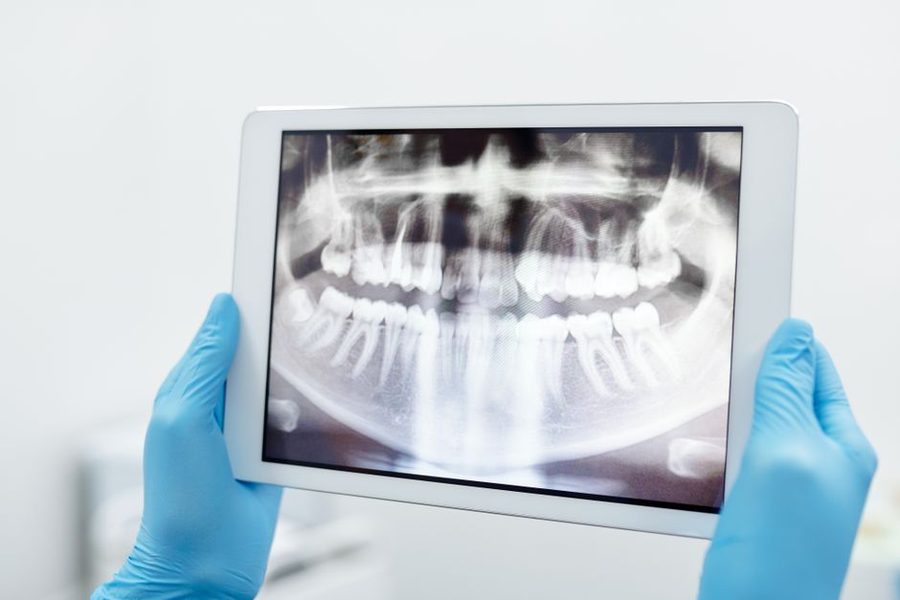
An emergency visit for a loose tooth usually moves quickly, but not casually. A useful exam includes several layers of information. The dentist checks how much the tooth moves, whether it has been pushed inward or outward, whether it interferes with the bite, whether the gum tissue is torn, and whether nearby teeth were also injured. X-rays https://codyowfb017.publishlane.com/posts/emergency-dentist-bakersfield-ca-for-relief-from-sharp-biting-pain help reveal root fractures, surrounding bone loss, widened ligament space, or signs of infection.
Vitality testing may or may not give reliable answers on the first day, especially after trauma. A freshly injured tooth can test abnormal and still recover, or test normal and later lose vitality. That is why follow-up is so important. The first appointment often establishes the structural plan, while later visits reveal how the pulp and supporting tissues are truly responding.
Dentists also look at the broader context. Is the looseness isolated to one tooth after an accident, or are several teeth mobile because of periodontal disease? Was there a previous root canal? Is the crown heavily restored? Is there existing bone loss that lowers the odds of success? A front tooth loosened during basketball is a different case from a molar that has been gradually shifting for years due to untreated gum disease.
Common ways a loose tooth can be saved
When a tooth is salvageable, treatment depends on the injury pattern. A tooth that has been displaced but not knocked out may be gently repositioned. If mobility is significant, the dentist may bond a flexible splint to neighboring teeth for a short period, often a couple of weeks, though timing varies with the injury. The purpose is not to freeze the tooth completely. A slight physiologic movement is healthier than rigid immobilization in many cases.
If the tooth is painful because it hits first when you close, the bite may need adjustment. If infection is involved, the dentist may treat the source and reduce pressure in the area. When pulp damage becomes clear over time, root canal therapy may be needed to keep the tooth functional. In gum-disease cases, saving the tooth may hinge on periodontal treatment and strict home care rather than trauma management.
A few examples show how different the path can be.
A healthy adult patient falls and loosens a front tooth. The tooth is slightly extruded, meaning it has been pulled partly out of the socket. The dentist repositions it, places a splint, gives diet and hygiene instructions, and monitors pulp vitality. That tooth may do quite well.
Another patient reports a loose lower molar with swelling and bad taste. Imaging shows severe bone loss around the root from chronic periodontal infection. In that case, “emergency treatment” may control pain and infection, but the long-term chance of saving the tooth could be poor.
A third patient comes in after being hit in the mouth during a weekend softball game. The tooth moves and hurts, but the X-ray shows no root fracture and the bone support looks intact. Those are often the cases where fast treatment pays off.
When saving the tooth is less likely
Some loose teeth simply have too much structural damage. A vertical root fracture usually carries a poor prognosis. Severe periodontal bone loss can leave too little support. A tooth pushed deeply into the socket can have complex injury to the root and surrounding bone. Teeth with extensive decay below the gumline may not be restorable even if the mobility can be temporarily managed.
There are also cases where extraction is not a failure of emergency care but the most responsible recommendation. If the root is cracked beyond repair, the tooth may become a source of ongoing infection or pain. If mobility comes from advanced gum disease and the tooth is affecting chewing, neighboring teeth, or jaw comfort, removing it may protect the rest of the mouth.
This is one of the hardest parts for patients. They want a simple yes or no, but real prognoses live in the middle. Sometimes the dentist can say, “We have a good chance.” Sometimes it is, “We can try to stabilize it, but there is meaningful risk.” And sometimes the kindest answer is that saving the tooth would mean repeated treatment with a low chance of durable success.
Loose from trauma is different from loose from gum disease
These two categories can look similar to a patient, but the biology is different.
A traumatic loose tooth often starts with otherwise healthy support that has been suddenly injured. The body may heal that support if the tooth is repositioned and protected. The challenge is acute damage.
A periodontal loose tooth often reflects years of inflammation, plaque accumulation, pocketing, and bone loss. Even if the tooth can be splinted and made more comfortable, the support system may already be compromised. Treatment is still worthwhile, but expectations need to be grounded in the amount of bone left, the patient’s hygiene, smoking status, diabetes control, and willingness to maintain periodontal care.
That is why an Emergency Dentist Bakersfield CA may focus first on diagnosing the cause before promising the outcome. The same symptom, mobility, can point to very different treatment paths.
Signs that the situation is more urgent than it seems
Some patients wait because they are not in severe pain. That can be a mistake. Pain level does not always reflect the seriousness of the injury. A tooth can be displaced, fractured, or losing vitality without dramatic pain on day one.
Seek urgent dental care if you notice any of these red flags:
- The tooth changed position or feels “higher” when you bite.
- There is bleeding around the gum that does not stop easily.
- The tooth became loose after a hit, fall, or car accident.
- You have swelling, pus, fever, or a bad taste in the mouth.
- The tooth is an adult tooth, not a baby tooth.
Those findings raise concern for structural injury, infection, or both. Waiting several days can close off easier treatment options.
What recovery looks like after emergency treatment
Saving a loose tooth is rarely one appointment and done. Even when the emergency care goes well, the real test is how the tooth behaves over the next few weeks and months. Follow-up visits matter because some complications appear later. The pulp can die. The tooth can darken. Root resorption can begin. Mobility can improve slowly, stay the same, or worsen depending on healing and hygiene.
Patients usually do best when they take the aftercare seriously. That means soft chewing, avoiding pressure on the tooth, keeping the area clean without aggressive brushing, and showing up for rechecks. If a splint is placed, it needs monitoring. If root canal treatment becomes necessary, delaying that step can undermine the result.
One detail that surprises many people is that mild mobility may persist for a while even in a tooth that is healing. Teeth are not bolted into bone. They naturally have microscopic movement because of the periodontal ligament. The goal is a stable, comfortable, functional tooth, not a tooth that feels like porcelain fused directly to stone.
Bakersfield realities that can influence dental emergencies
Bakersfield is a city where people work hard, play sports year-round, and often put off care because schedules are packed. That combination matters. Agricultural work, warehouse jobs, construction, recreational leagues, cycling, and youth athletics all create opportunities for dental injuries. Heat and dehydration do not loosen teeth directly, but they can make people feel run down, delay response time, and worsen the general stress of an emergency.
There is also a common local pattern of people trying to “get through the weekend” before calling a dentist. That strategy can backfire with a loose tooth. Monday may be too late for ideal repositioning or stabilization. If you suspect true dental trauma, same-day contact with an emergency office is worth the effort.
Can a dentist save the tooth if it has been loose for days or weeks?
Sometimes yes, sometimes no. The longer the delay, the more variables stack up against a clean recovery, but late care is still better than none. A dentist can still determine whether the mobility comes from infection, occlusal trauma, root fracture, or periodontal disease. Treatment may still reduce pain, preserve bone, and improve the chance of keeping the tooth.
I have seen patients come in after several days convinced the tooth was hopeless, only to learn it could be splinted and monitored. I have also seen patients wait three weeks on a tooth that had an obvious prognosis problem from the start. Delay did not create the original damage, but it did reduce the choices and increase the cost of managing the outcome.
The practical lesson is simple. Do not self-diagnose based on whether the tooth still looks normal in the mirror.
The question patients usually mean to ask
When someone asks whether an emergency dentist can save a loose tooth, they are usually asking something deeper: “Can I keep my own tooth, avoid major treatment, and get back to normal?” The honest answer is that many people can, especially when they act quickly and the damage is limited. But saving a tooth is not magic. It is biology, timing, and skilled intervention.
A good emergency dentist will tell you not only whether the tooth can likely be stabilized today, but also what the next few months may involve. That might include splint removal, repeat X-rays, vitality testing, root canal treatment, periodontal therapy, or, in unfortunate cases, a discussion about replacement options if the tooth cannot be predictably retained.
What to do next if your tooth is loose
If your adult tooth has become loose, treat it as urgent. Keep pressure off it, avoid testing it with your tongue or fingers, and arrange a professional evaluation as soon as possible. An Emergency Dentist Bakersfield CA can often save a loose tooth when the supporting structures are still recoverable and treatment starts promptly. Even when the tooth cannot be permanently saved, early care can protect surrounding bone, control pain, and give you better options.
That is the part people often miss. Fast care is not only about rescue. It is also about preserving possibilities. A loose tooth may still have a future, but it usually will not wait patiently while you decide.
Smyle Dental Bakersfield
2016 E St, Bakersfield, CA 93301, United States
+16614939040
FAQ About Emergency Dentist Bakersfield CA
What counts as a dental emergency?
Severe tooth pain, facial swelling, uncontrolled bleeding, a knocked-out or displaced tooth, and significant dental trauma may need prompt assessment. Trouble breathing or rapidly increasing swelling requires urgent medical help.
What should I do if a permanent tooth is knocked out?
Handle the tooth by the crown rather than the root, keep it moist, and contact a dentist immediately. Fast treatment can improve the chance of saving the tooth.
Can an emergency dentist treat severe tooth pain the same day?
Same-day care may be available depending on the cause and schedule. The dentist will examine the area, may take digital X-rays, and recommend treatment based on the diagnosis.
Should I go to the emergency room for dental swelling?
Seek urgent medical care for trouble breathing, difficulty swallowing, rapidly spreading facial swelling, or other severe symptoms. A dentist can assess the underlying dental cause and provide appropriate follow-up care.